Nobody teaches you this, but your nose is the most sensitive mold instrument in the house — it detects the microbial volatile compounds mold gives off at concentrations lab equipment has to work to match. A persistent musty smell is not a housekeeping failure or an old-house personality trait. It’s a report. Here’s how to read it.
When to smell
Mustiness is strongest when the house has been closed up — come home from a weekend away and walk in slowly, before your nose adapts. It’s also stronger on humid days, in the morning before the AC has run, and in the minute after the HVAC kicks on. Adaptation is the enemy: you stop smelling your own house within minutes, which is why visitors mention it and you don’t.
Where to smell, and what it means
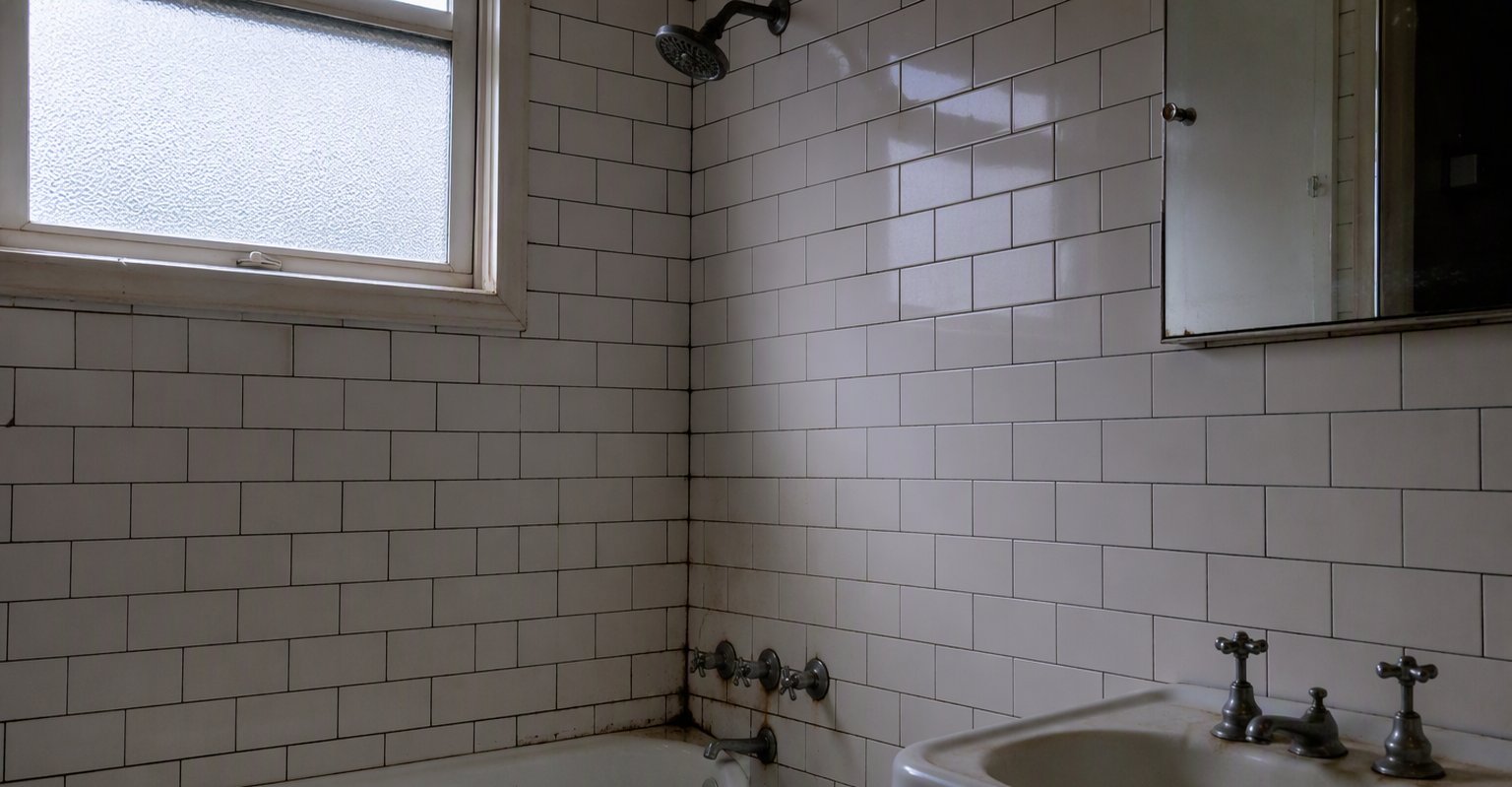
At the floor registers: musty at startup points into the HVAC system — coil, pan, or ducts. Low to the floor near exterior walls: crawlspace moisture rising. In a closet on an exterior wall: condensation inside the wall cavity or attic air leaking down the top plates. In a bathroom with no window: surface humidity mold, usually grout and caulk, usually manageable. Each location is a different job, which is why the sniff map matters.
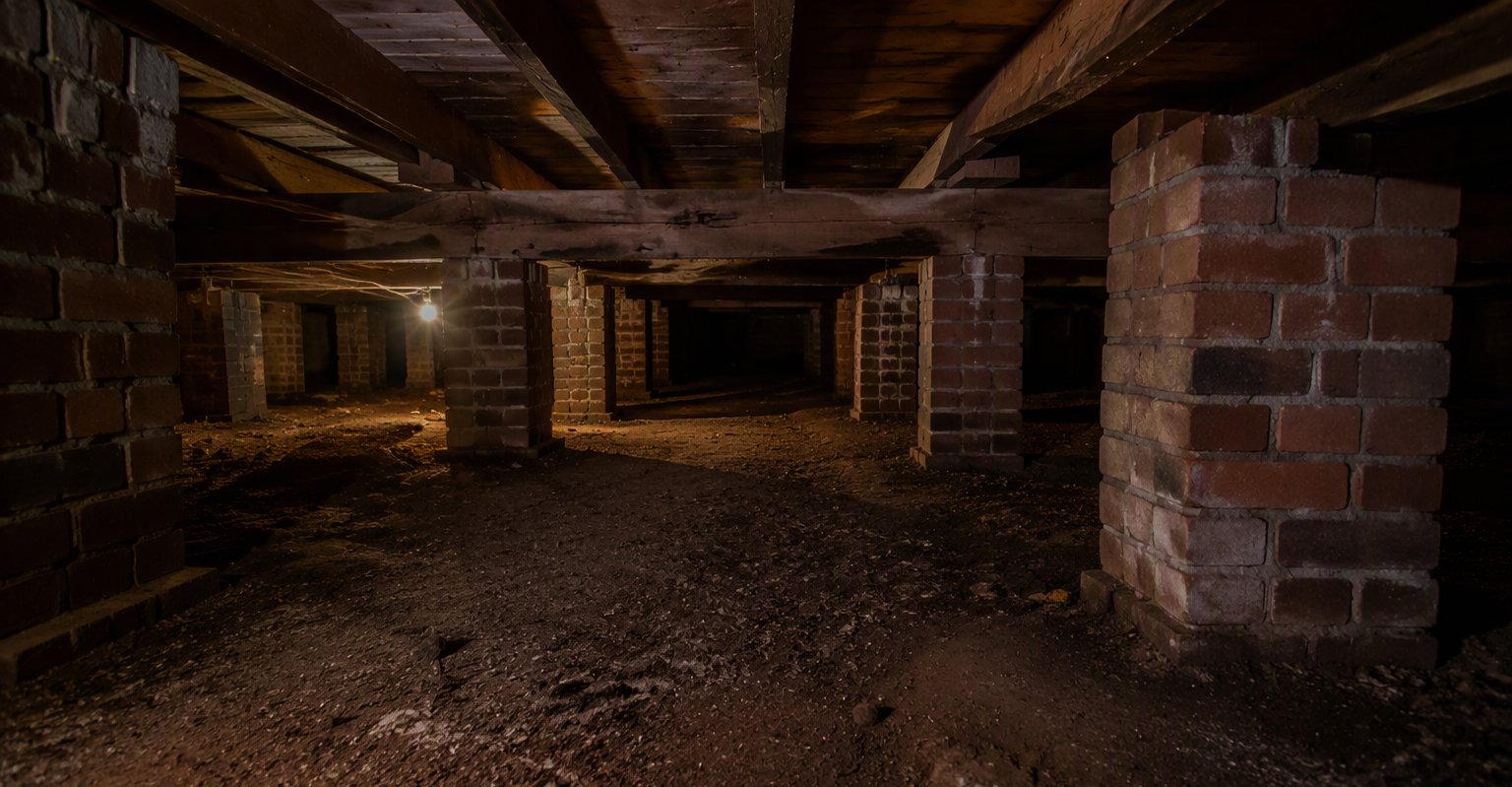
The crawlspace calling card
Savannah’s most common whole-house mustiness rises from the crawlspace — a house that smells like the marsh at low tide when you first walk in. Houses stack-vent air upward, so whatever is under the house ends up in the hallway. If the smell is strongest near the floor and fades upstairs, the next set of eyes that matter belongs under the house, not in it.
When the smell isn’t mold
Honesty costs nothing: sometimes mustiness is a dry drain trap, a dead HVAC condensate line, or a cabinet full of old cardboard — damp paper smells remarkably like mold. The inspection page explains how we sort it, and the answer you get is the one the moisture meter supports, not the one that sells the biggest job.