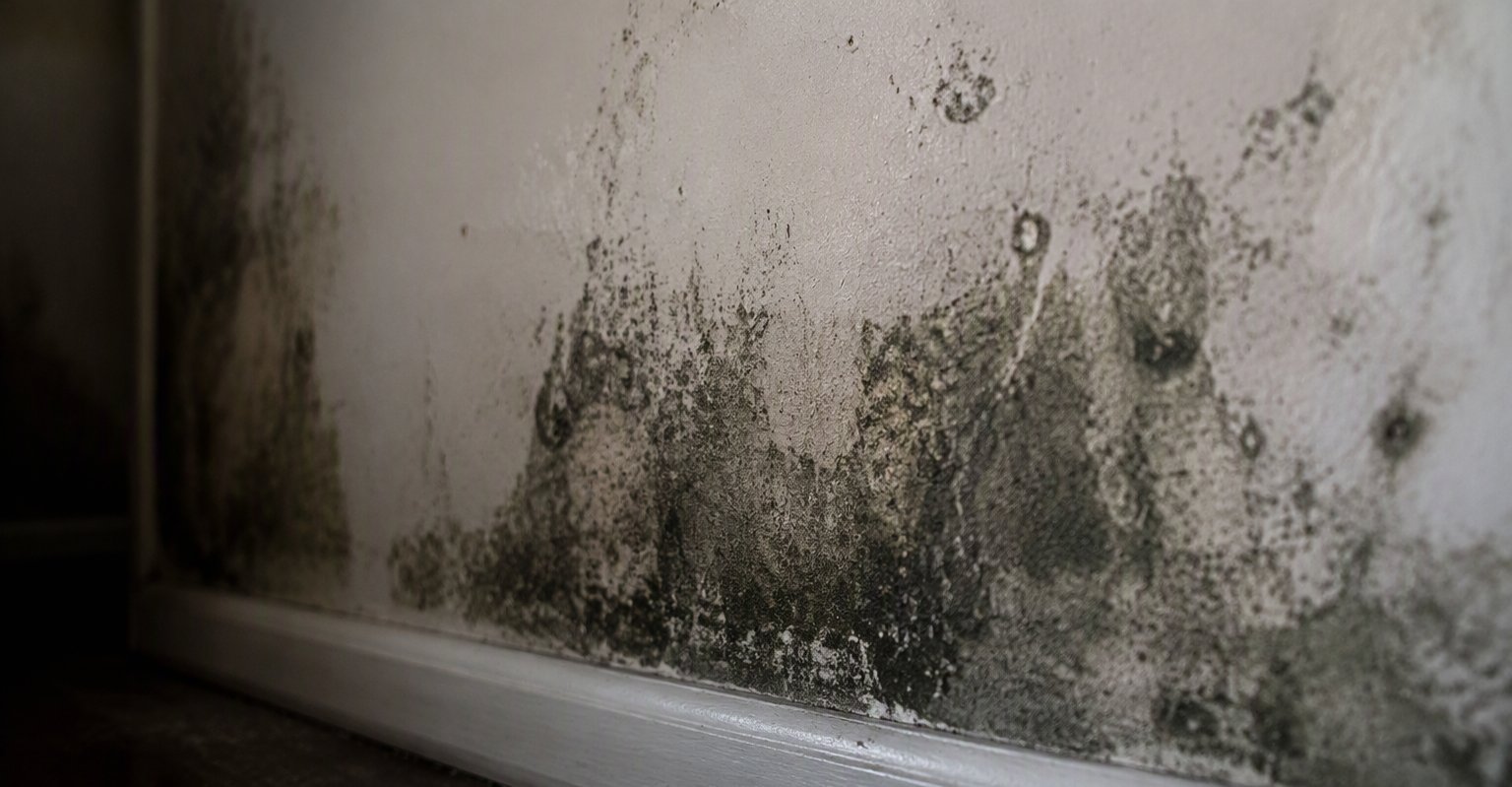
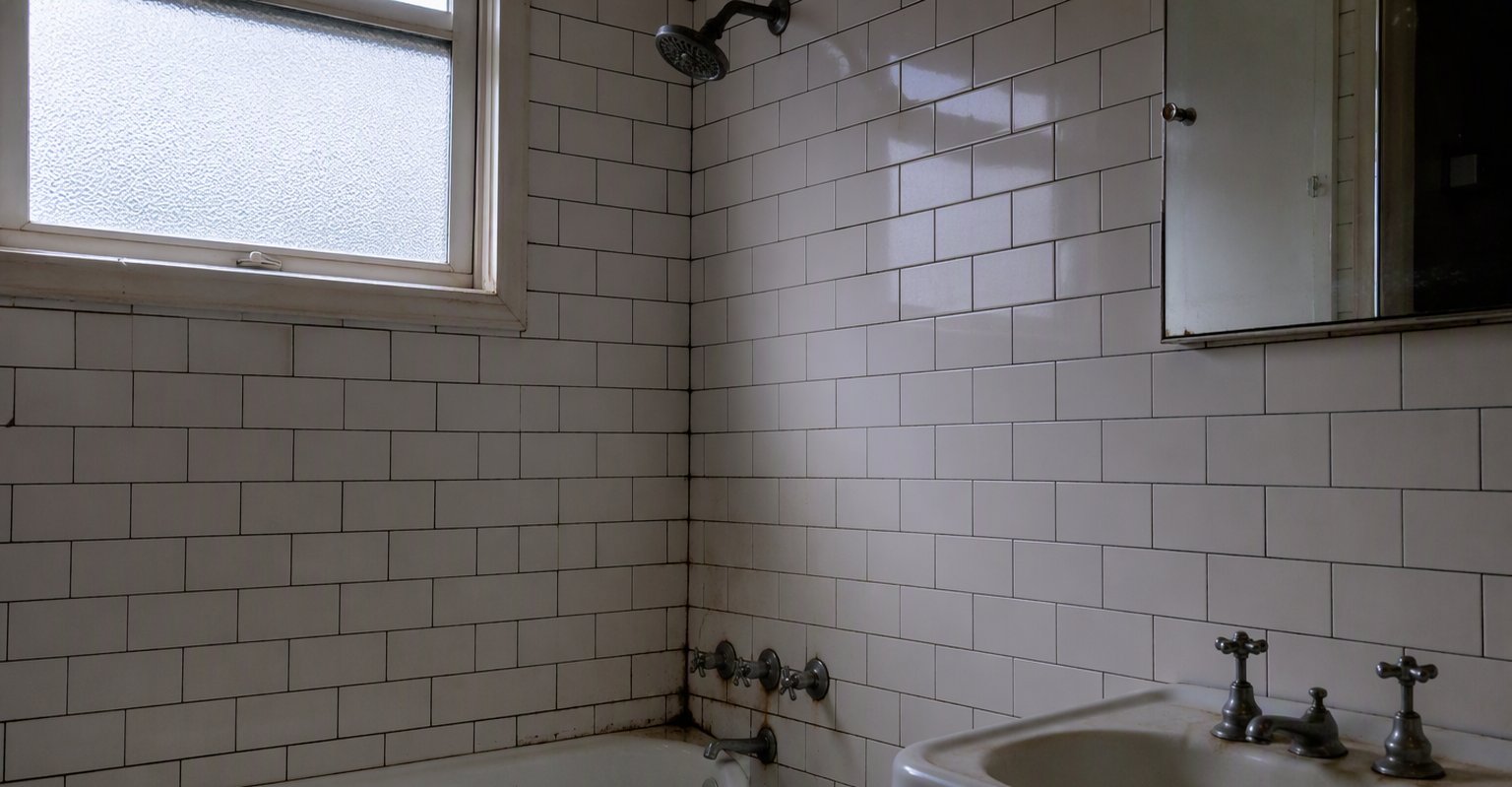
In Savannah, every bathroom grows something eventually, and the first question is always the same: is this the wipe-it-off kind or the call-someone kind? The distinction is real, it takes about thirty seconds, and it determines whether your weekend involves a scrub brush or a phone.
Mildew: the surface tenant
Mildew lives on the surface — flat, powdery or slightly slimy, gray-black dots and streaks on grout, caulk, window sashes, and painted surfaces that stay damp. It wipes off with a cleaner because it never rooted: the substrate underneath is intact. A bathroom that gets a weekly wipe-down and a working exhaust fan mostly outgrows mildew. It’s a cleaning problem, not a building problem.
Mold: the one that roots
Mold grows into porous material — drywall paper, wood, grout that’s lost its seal, caulk that’s separated. The surface stain is the flower; the roots are inside. The giveaways: texture you can feel, a stain that returns in days after cleaning, material that’s gone soft or crumbly, and a smell that outlasts the scrubbing. Once it’s rooted, cleaning the surface is landscaping, not removal.
The thirty-second test
Three questions. Does it wipe off completely, leaving intact material underneath? Mildew. Does the stain return within a week of cleaning? Mold. Is the material itself soft, swollen, or crumbling? Mold, with a moisture problem feeding it. That third answer always means the same next question: where is the water coming from — because something is wet behind there.
The bathroom math in this climate
A windowless Savannah bathroom runs at shower-steam saturation daily for nine months a year. The grout lines darken, the caulk corners spot, the ceiling above the shower freckles. Most of it is mildew, and the fix is an exhaust fan that actually vents outside and a monthly wipe with the right cleaner. But when the ceiling freckles spread past the shower zone, or the baseboard outside the bathroom door swells — that’s the building talking. The remediation page shows what the rooted version takes to fix for good.