Somewhere in the last twenty years, black mold became the bogeyman of American housing — a word that ends conversations and starts panic spending. The honest version is less dramatic and more useful: it’s a real mold with a real moisture cause, and it responds to the same boring discipline as every other colony. Contain it, remove it, dry it, verify it.
What it actually is
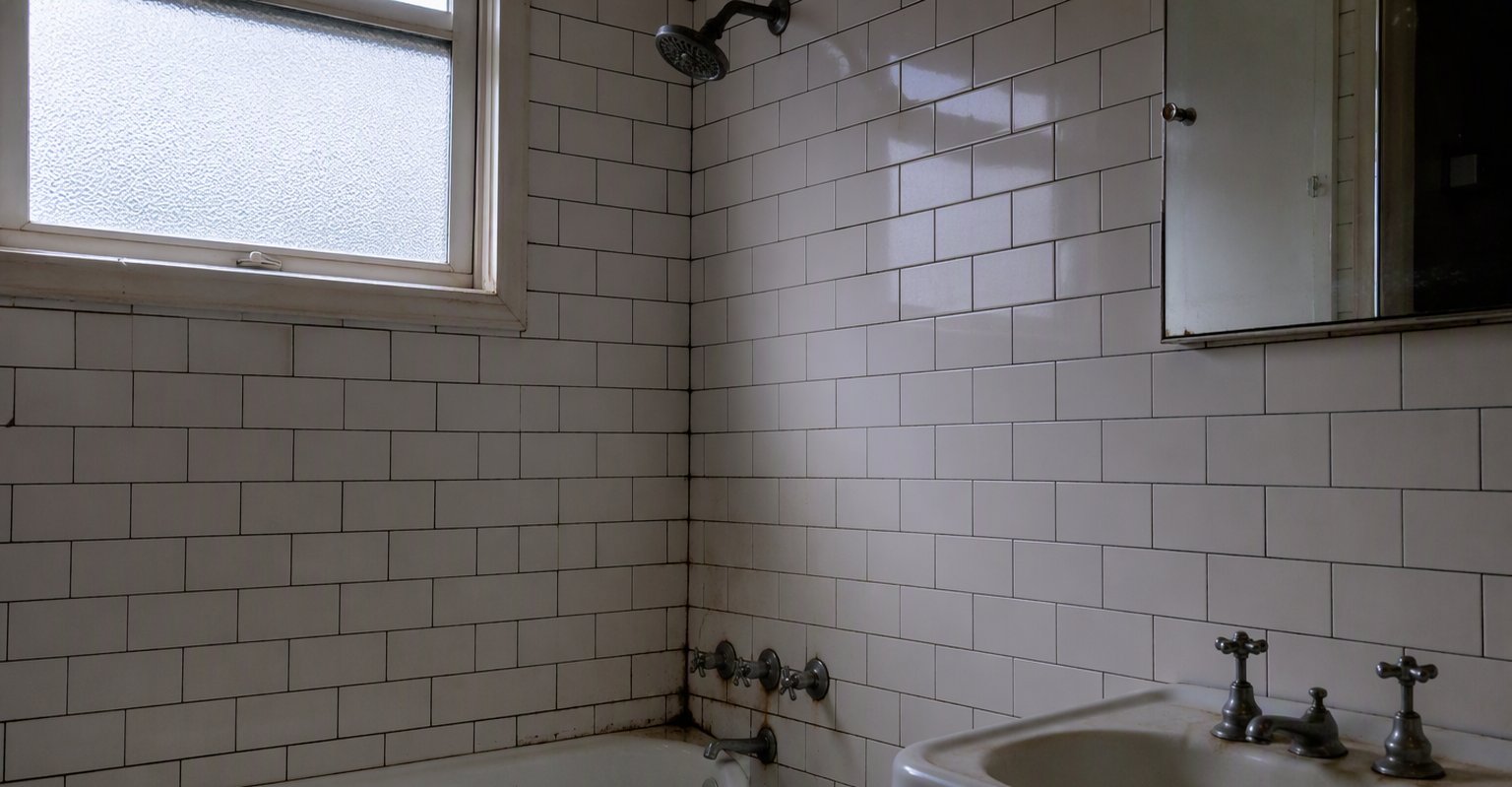
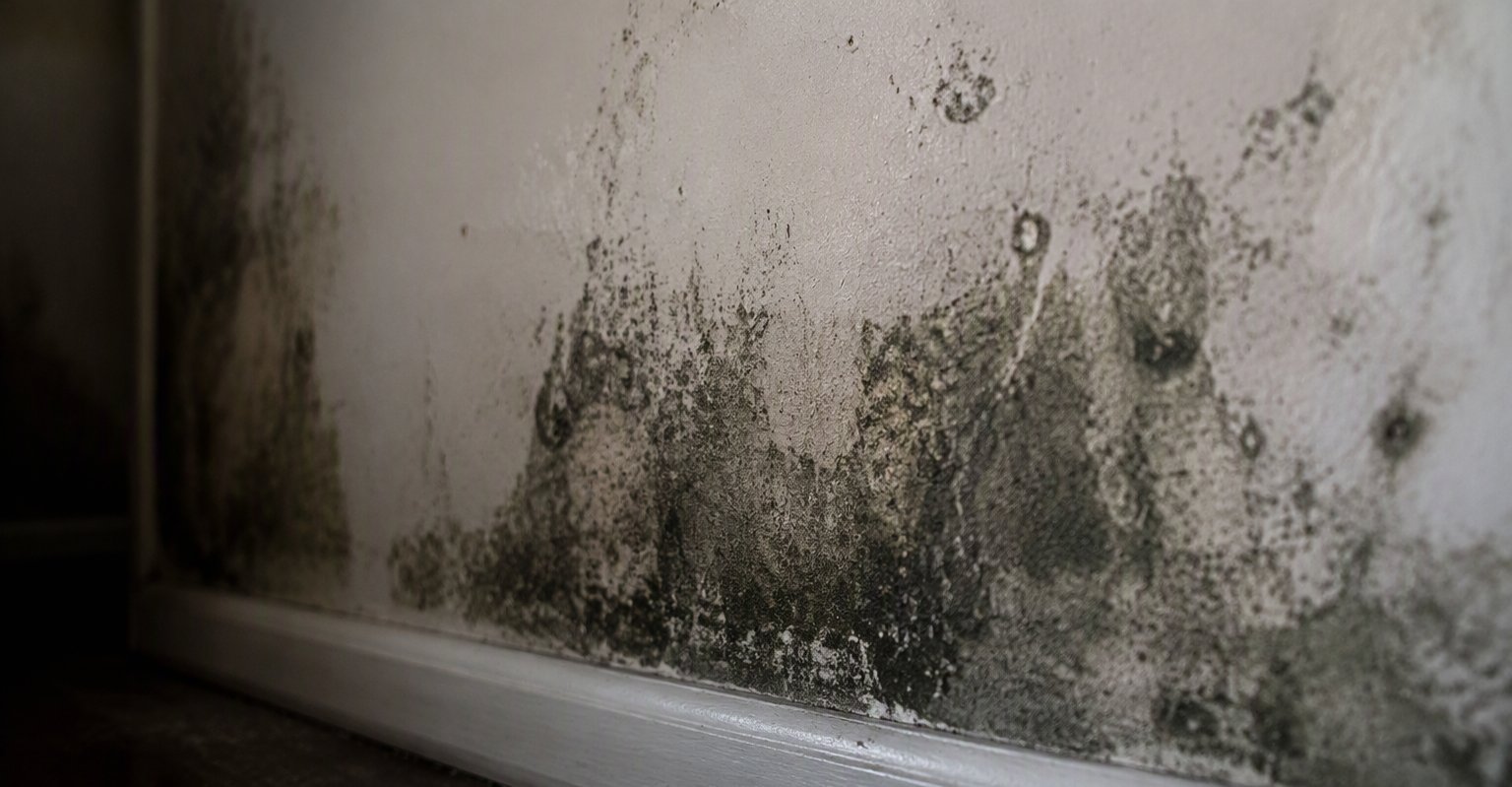
The headline mold is usually Stachybotrys chartarum — a dark black-green species that grows on cellulose that stayed wet for a long time: drywall paper over a slow leak, subfloor after a flood, the wall behind a failing shower. The long-wet requirement is the tell. Black mold doesn’t appear from a humid afternoon; it’s the monument to water that was allowed to stay for weeks or months.
What’s true about the health part
Heavy mold growth of any species can irritate eyes, throats, and sinuses — some people notice it more than others, and anyone with asthma or a compromised immune system should treat significant growth seriously and let professionals disturb it. What the honest version doesn’t include is the horror-movie framing. We’re remediators, not doctors — our job is to get the growth out of your house properly, and that job doesn’t change with the species name.
The two responses that waste money
The first is the bleach wipe: it lightens the surface, leaves the roots in the porous material, and launches spores while you scrub. The second is the terror upsell — the company that reads you worst-case scenarios and quotes from the fear. Both monetize the same anxiety. The effective middle is unglamorous: sealed containment, negative air, careful removal of what can’t be saved, treatment of what can, and drying to a measured number.
When a lab test is worth it
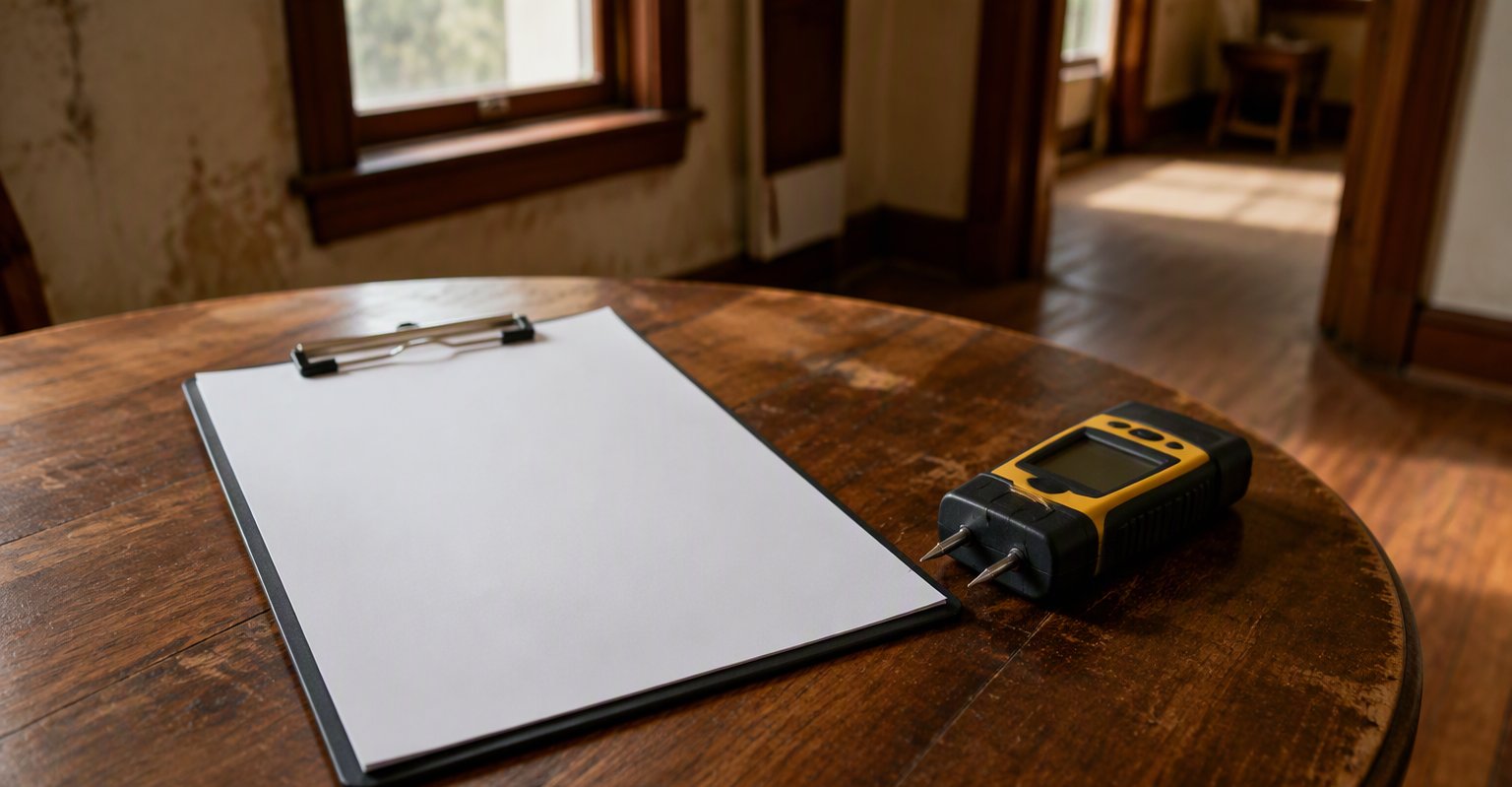
If you need the growth documented for a dispute, a closing, or an insurance file — yes, sample it. If you can see black mold on the wall, the lab result changes nothing about what happens next; it comes out either way. The black mold page lays out the whole sequence, and the first phone call costs nothing but a description.