Here’s the awkward truth from a company that performs mold testing: a lot of it doesn’t need to happen. Not because testing is fake — lab analysis is real and useful — but because the question most homeowners are paying to answer is one their eyes already answered. This is the flowchart we run on the phone, on the house, before anyone books a sample.
The question testing can’t answer
"Is this mold dangerous?" is the question behind most testing calls, and it’s the one a lab result doesn’t settle. A species name and a spore count don’t translate into a health verdict — that’s a medical question, and it depends on the people living in the house, not just the organism. If it’s growing in your house, the response is the same regardless of what the lab calls it: out.
When testing earns its fee
Four situations. Hidden growth: the house smells musty, nothing is visible, and air sampling can confirm whether a cavity or crawlspace is the source. Clearance: after remediation, a post-job sample verifies the air is back to normal — that’s the test we recommend most. Documentation: a dispute with a landlord, a seller, or an insurer sometimes needs a lab letterhead. And unusual cases: someone immunocompromised in the house, where the physician actually wants species data. Everything else is usually theater.
The visible-mold rule
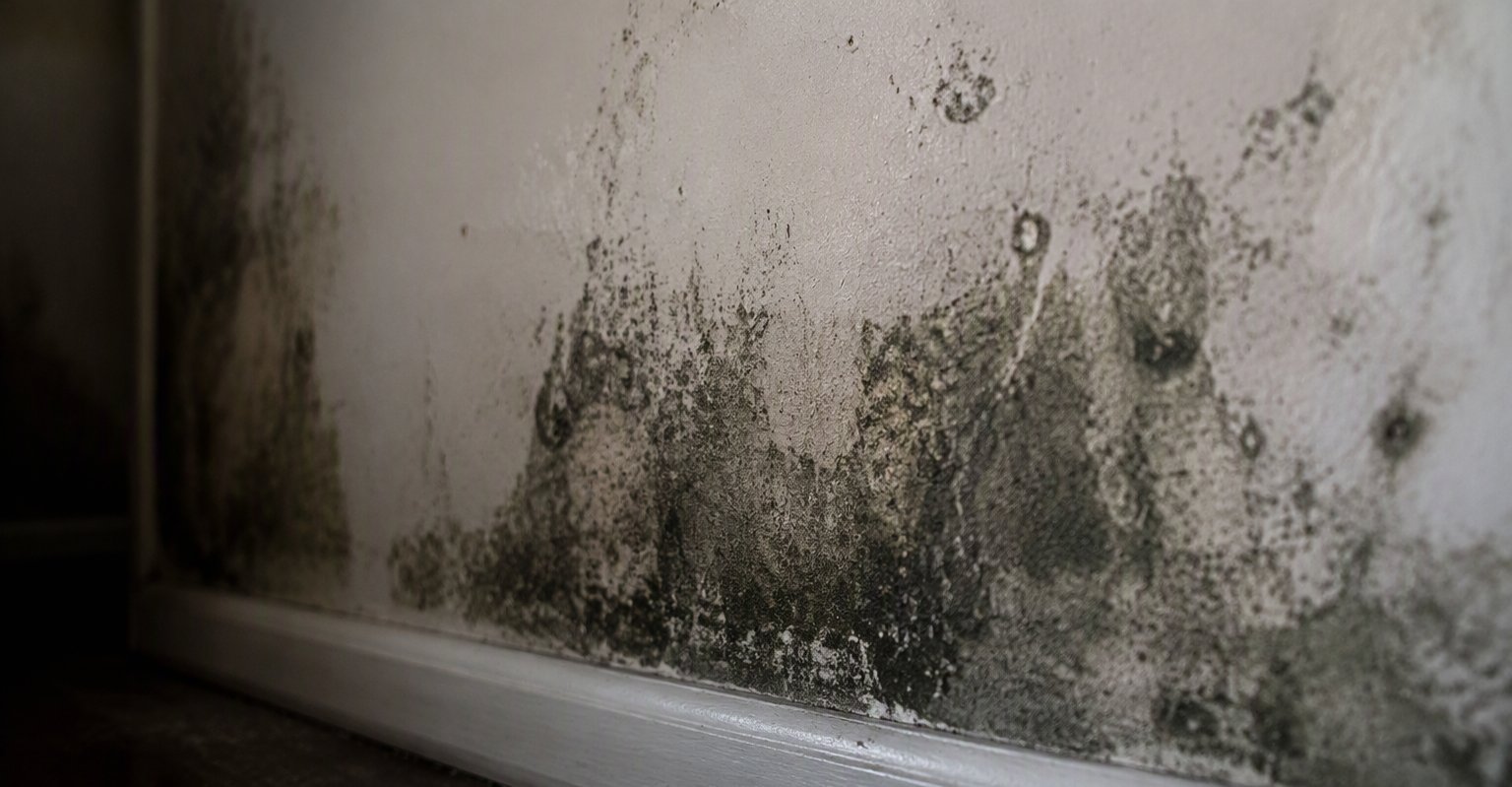
If you can see it growing, you don’t need a lab to tell you it’s there. Spending three hundred dollars to identify the species on the bathroom ceiling buys a report, not a result — the removal plan is identical either way. The money goes further on the moisture inspection that finds why it grew, because that’s the answer that keeps it from returning.
What an honest assessment looks like
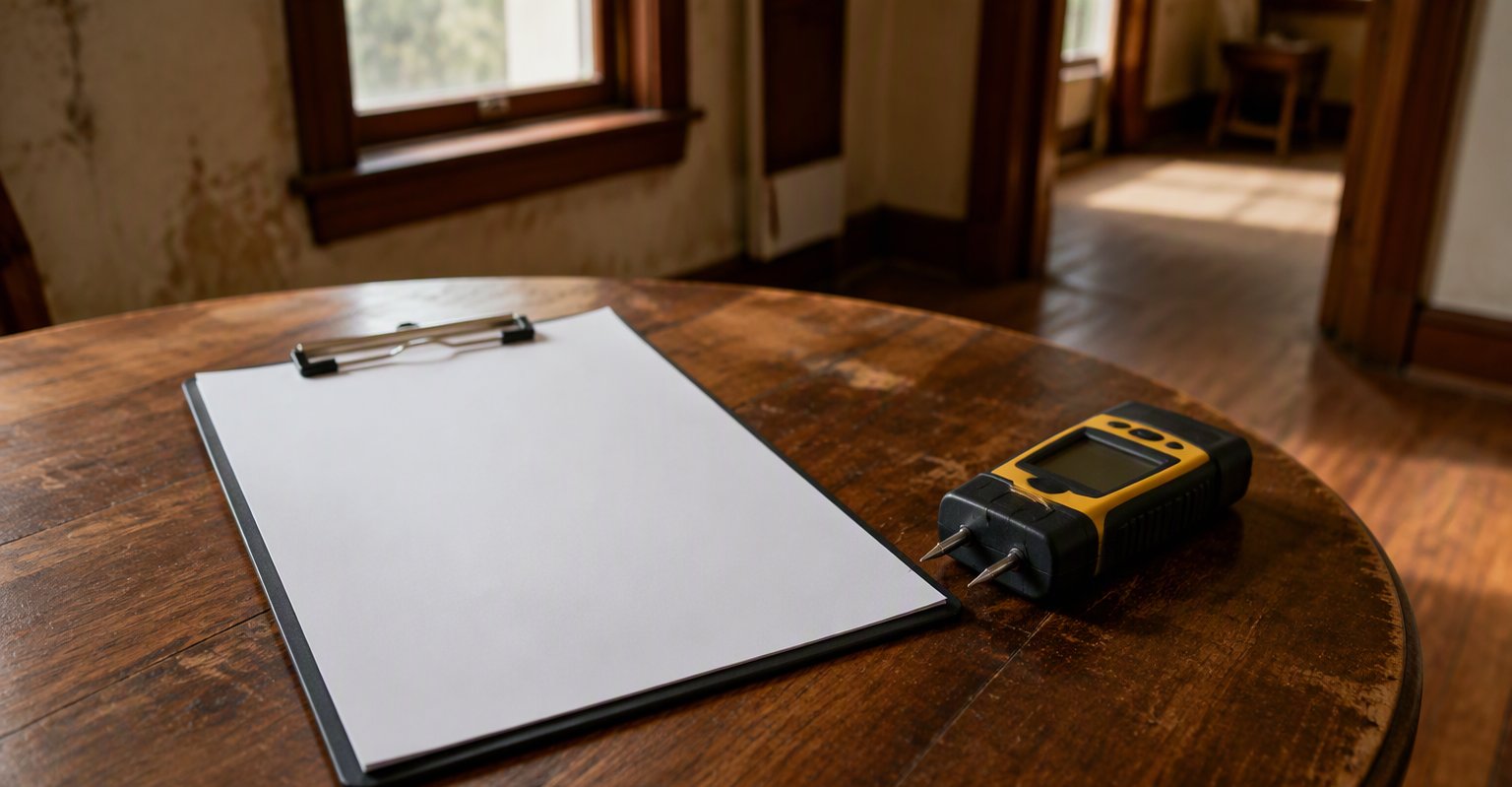
Moisture mapping first — the meter finds what eyes can’t. Then the call: sample or don’t. When we sample, you get the chain of custody, the accredited lab, and the plain-English read of the results. When we don’t, you get told not to spend it. The inspection page has the full sequence, and the phone version of this flowchart takes five minutes at (912) 277-6116.