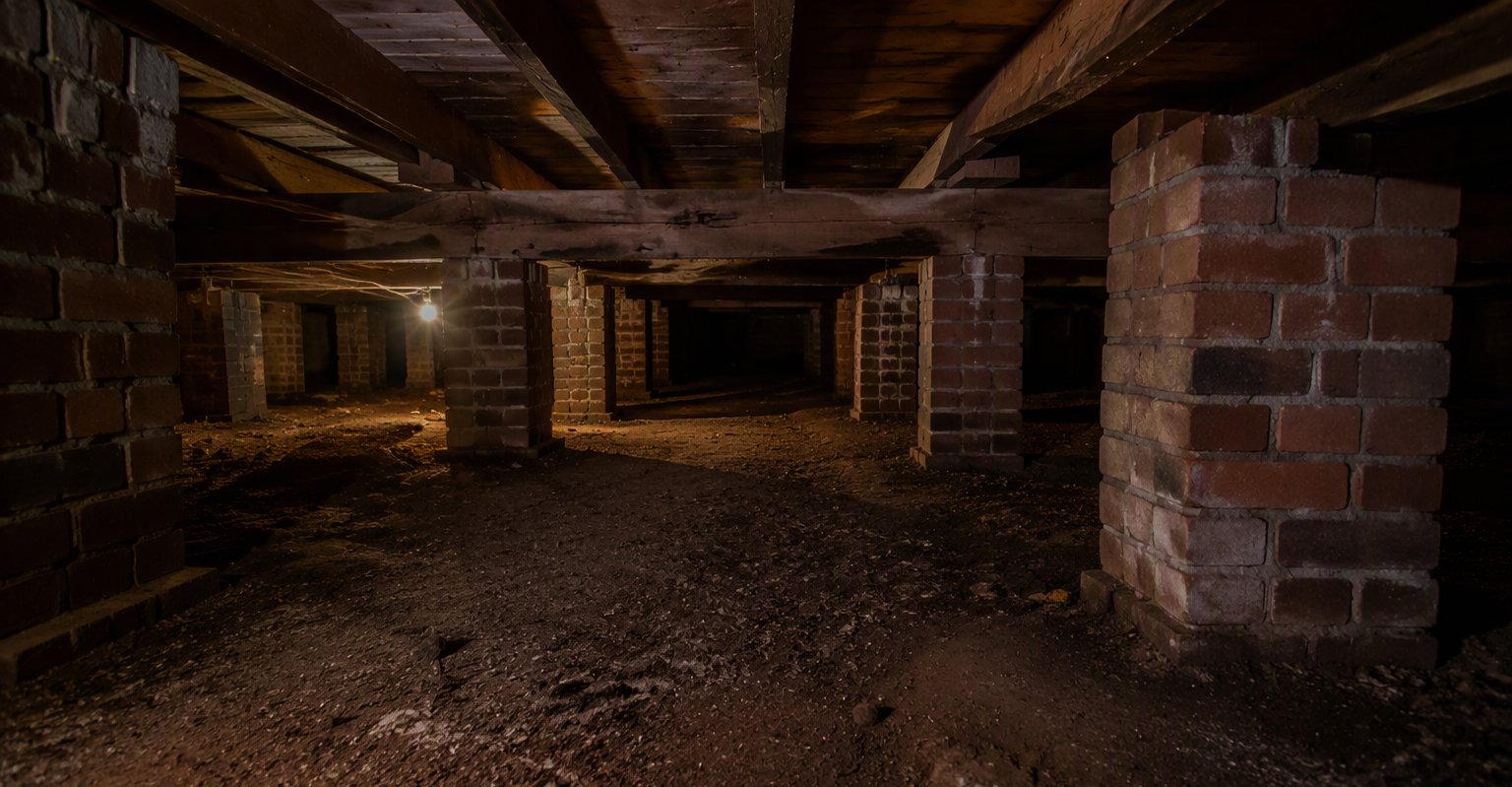

The thunderstorm rolls through in forty minutes. The street drains by midnight. And somewhere inside your walls, the two-day countdown started — because wet drywall, insulation, and subfloor in Savannah’s humidity colonize with mold in about 24 to 48 hours. The storm is the event. The next two days are the decision.
Why 48 hours is not a scare tactic
Mold spores are already in every house — they ride the air, always have. What they need is moisture that stays. Dry building materials are a desert; wet ones are a farm. National drying standards use the 24-to-48-hour window because that’s how long spores take to germinate on damp cellulose — the paper facing of drywall, the binders in plywood. Savannah’s ambient humidity makes it worse: materials that would air-dry overnight in Arizona stay wet here for a week without mechanical help.
The first six hours
Stop the source — tarp the roof, shut the supply line, whatever it takes. Then move air and pull water: every towel, every fan, and if the event is bigger than a hallway, a call for extraction equipment. The mistake is the gentle response — the box fan aimed at a puddle while the wall cavity silently wicks water upward. Water you can see is a fraction of water the house is holding.
Hours six to forty-eight
This is the window where extraction and dehumidification pay for themselves. Commercial dehumidifiers pull moisture out of cavities that fans can’t reach, and moisture meters tell you which walls are actually wet — not which ones feel wet. Baseboards come off to ventilate the cavity. Wet insulation comes out, because it doesn’t dry in place. Every hour of this costs a fraction of the alternative.
After the window
Past two days, the question changes from "how do we dry it" to "what grew while it was wet." That’s not a disaster — it’s a different job. The water damage page walks through how the sequence runs when the clock has already ticked, and the assessment tells you honestly which side of the line you’re on. Either way, the reading takes one visit.